Anodizing: Strong Surface Protection for Aluminium
Anodizing is a trusted finishing process for aluminium that improves both appearance and durability. It creates a protective oxide layer on the metal surface, helping the material resist corrosion, wear, and daily exposure. For projects where aluminium must stay clean, stable, and visually appealing for a long time, anodizing is a practical and reliable choice.
Varun Autocoat offers anodizing services that deliver durable, high-quality finishes for architectural, industrial, and decorative applications. Our process ensures long-lasting surface protection with a clean, premium look for modern fabrication needs.
Anodizing is especially valuable because it does not just coat the surface. It changes the surface itself through an electrochemical process, which gives aluminium added protection without hiding its natural character. That makes it a strong option for customers who want a premium finish that feels both technical and elegant.
Why Anodizing Matters
Aluminium is lightweight and versatile, but it still needs protection in many environments. Over time, exposure to moisture, pollution, sun, and regular handling can affect how the surface looks and performs. Anodizing helps reduce this risk by making the surface more stable and resistant to damage.
This finish is useful for projects where appearance matters as much as performance. A poor or inconsistent surface can reduce the value of a product or building feature, even when the structure itself is sound. Anodizing helps maintain a smooth and professional appearance while also improving service life.
It is also a smart choice for applications that need a low-maintenance solution. Once anodized properly, the surface is easier to care for and can stay attractive for longer with less effort. That is one reason anodizing remains popular in architecture, fabrication, and product manufacturing.
Where It Is Used
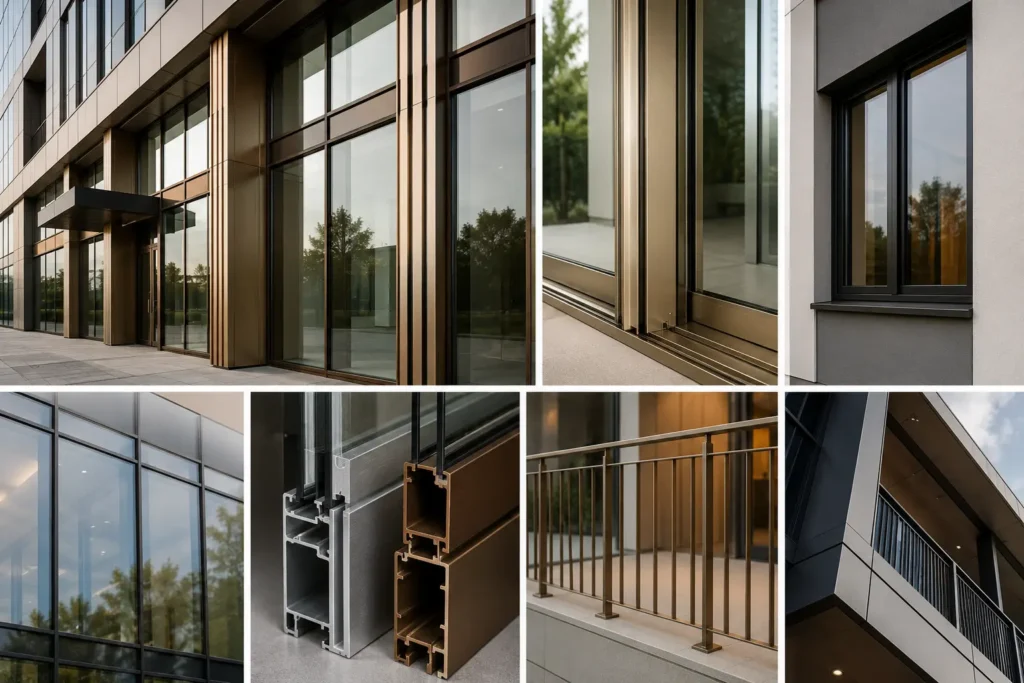
Anodizing is widely used for aluminium products in architectural, decorative, and industrial applications needing a strong, durable finish. Typical use cases include:
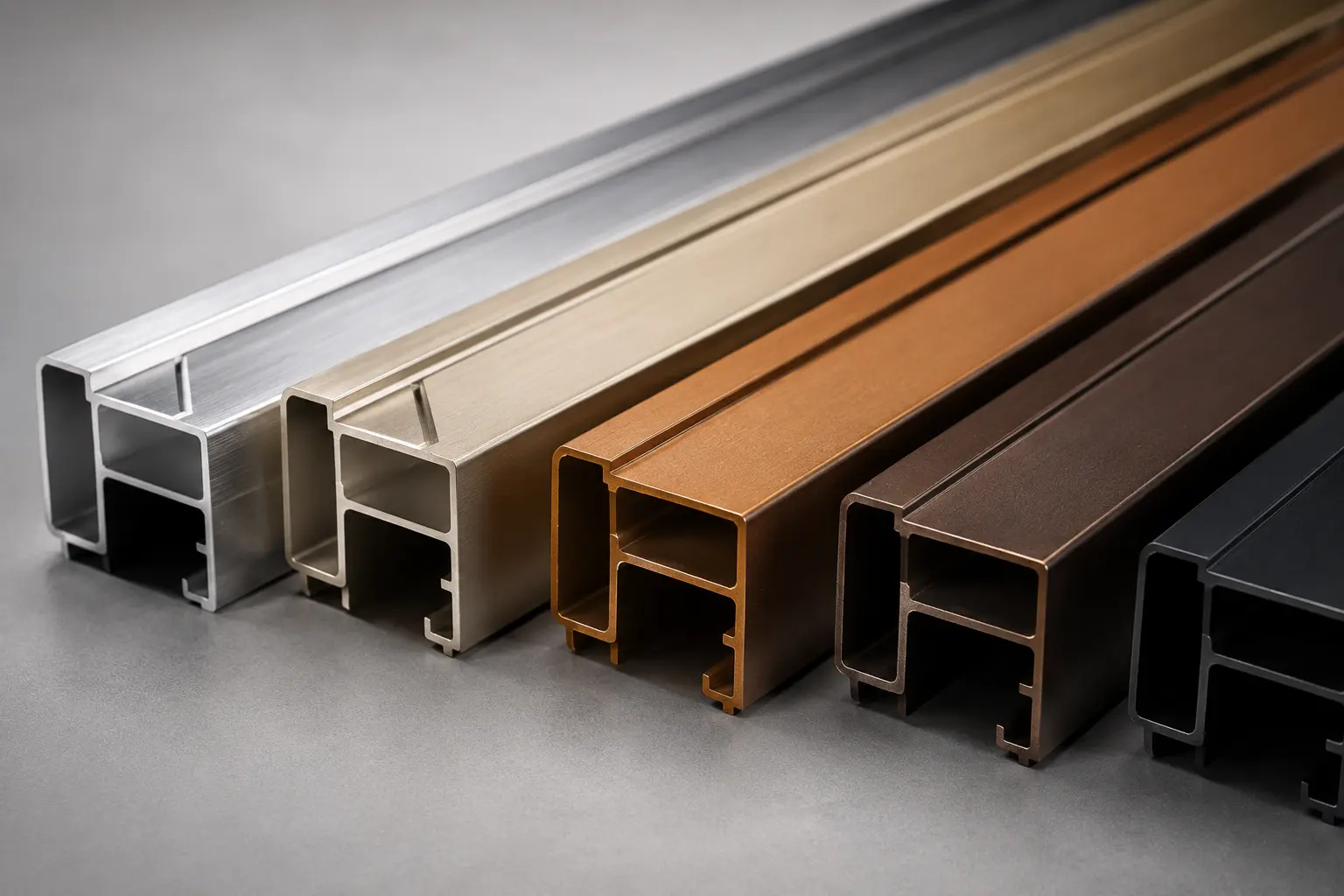
Aluminium sections
Window frames
Door frames
Curtain wall profiles
Facade elements
Railings
Decorative aluminium parts
Machine components
Interior hardware
Product enclosures
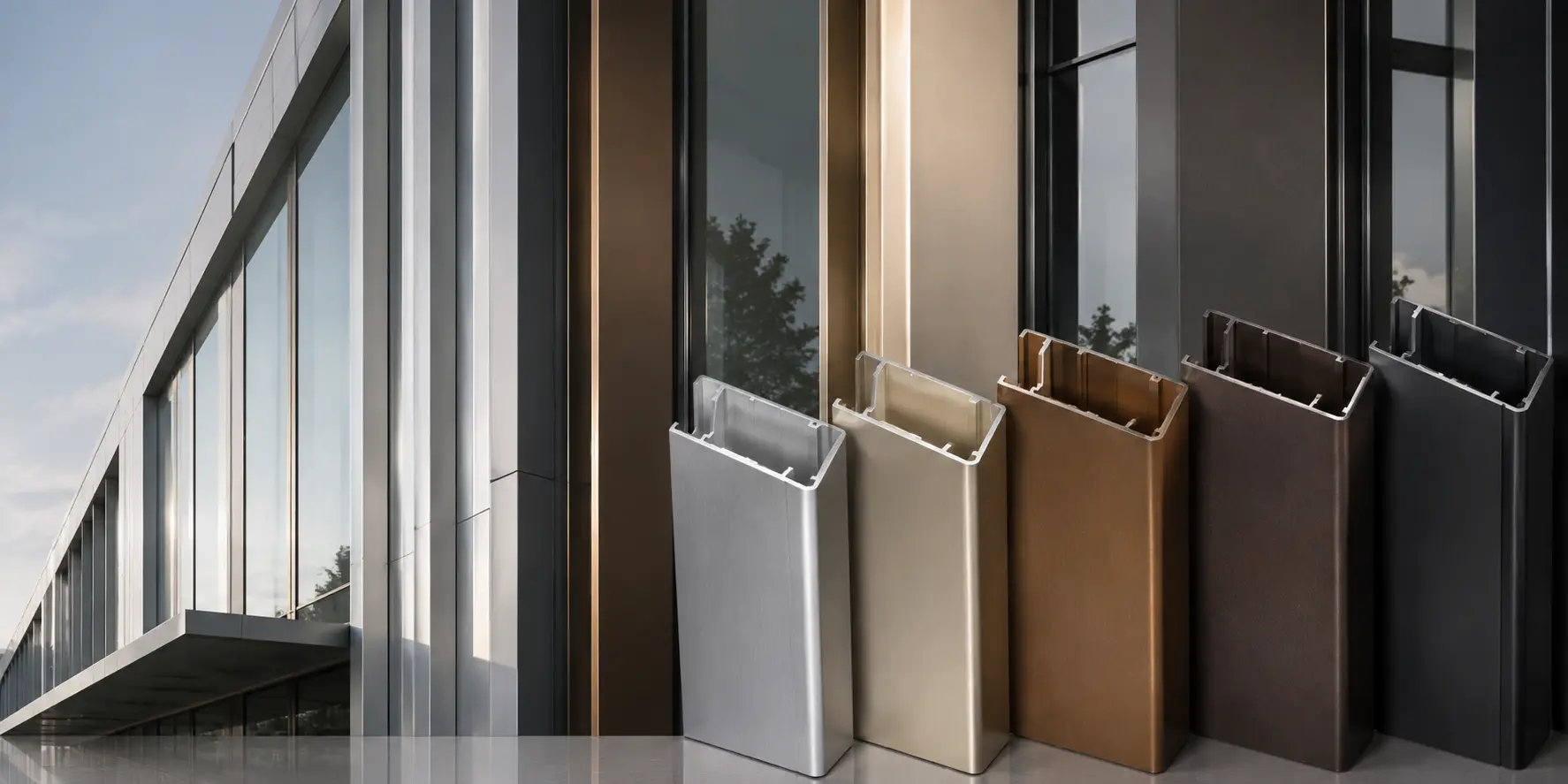
Anodized finishes offer a clean look and lasting performance, making aluminium ideal for modern architecture and protecting industrial components from wear and harsh environments.
Anodizing ensures a uniform finish, making it ideal for large projects where consistent appearance and reliable surface quality matter.
How the Process Works
Anodizing is a carefully controlled process that prepares the aluminium surface, treats it electrochemically, and seals it for protection. Each step plays an important role in the final result.
The process usually includes:
Surface cleaning and preparation
Colouring, if required
Final inspection for quality and finish
Electrochemical anodizing treatment.
Sealing for protection and durability
Surface preparation is important because it helps the treatment work evenly. A properly prepared surface supports better bonding and a cleaner end result. The anodizing stage creates the protective oxide layer, while sealing helps lock in the finish and improve long-term performance.
When the process is done well, the result is a surface that looks refined and works reliably. That matters for both decorative and functional applications, especially in projects where appearance and durability must stay balanced.
Main Benefits
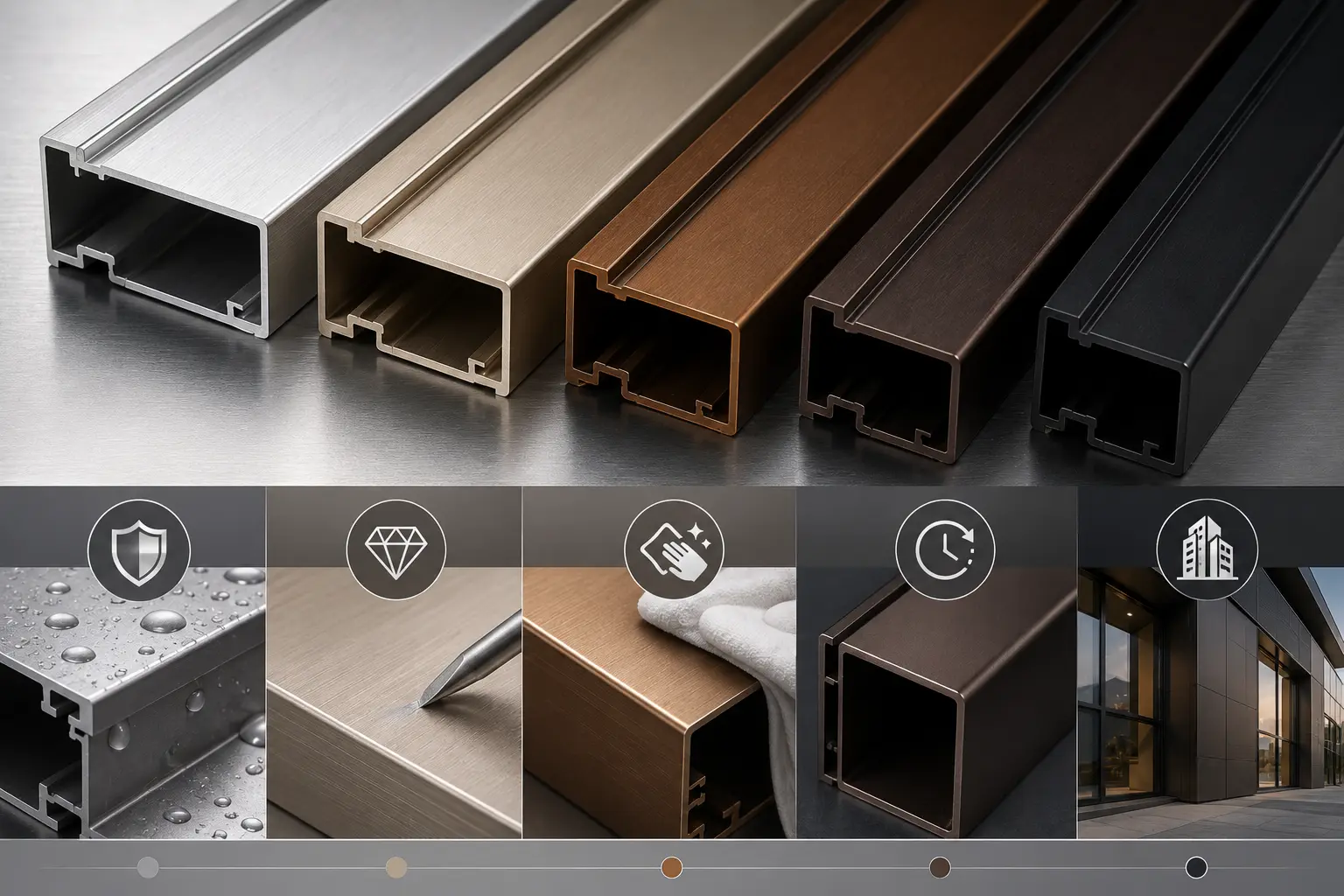
Anodizing gives aluminium a durable, attractive finish, making it a practical choice where long life, protection, and visual quality matter most.
Key benefits include:
Better corrosion resistance.
Improved surface hardness.
Clean and professional appearance.
Long-lasting finish.
Low maintenance.
Suitable for indoor and outdoor use.
Strong performance in modern architectural work.
Anodizing provides a durable, low-maintenance finish that protects aluminium from wear, corrosion, and outdoor exposure, making it a reliable choice for long-term performance and daily use.
Anodizing also supports a premium appearance without making the surface look overly coated.
Why Clients Choose Anodizing
Clients choose anodizing because they want a finish that feels both technical and refined. It delivers protection without looking heavy or artificial, which makes it suitable for modern design. The result is often clean, consistent, and professional.
This service is also chosen because it supports long-term value. A surface that lasts longer and stays attractive can reduce repair costs, replacement needs, and maintenance concerns. That is an important advantage for project owners who want dependable quality.
Another reason clients prefer anodizing is its versatility. It works well for many aluminium items, from structural elements to decorative parts. This flexibility makes it useful in both new projects and renovation work where better surface performance is needed.
Why It Is Important for Builders and Architects
Builders and architects often need finishes that can support the design vision without creating extra maintenance issues. Anodizing helps meet that need by providing a strong and stable surface for aluminium components.
For builders, this means fewer complaints and less risk of early surface problems. For architects, it means the material can stay visually consistent with the intended design. That is especially valuable in commercial and premium projects where presentation matters.
Anodizing also supports modern construction because it aligns with the demand for clean, durable, and efficient materials. It fits well into projects where aluminium is used as a visible design feature rather than only a hidden structural element. In those cases, the finish becomes part of the overall impression of the building.
Why Choose Varun Autocoat
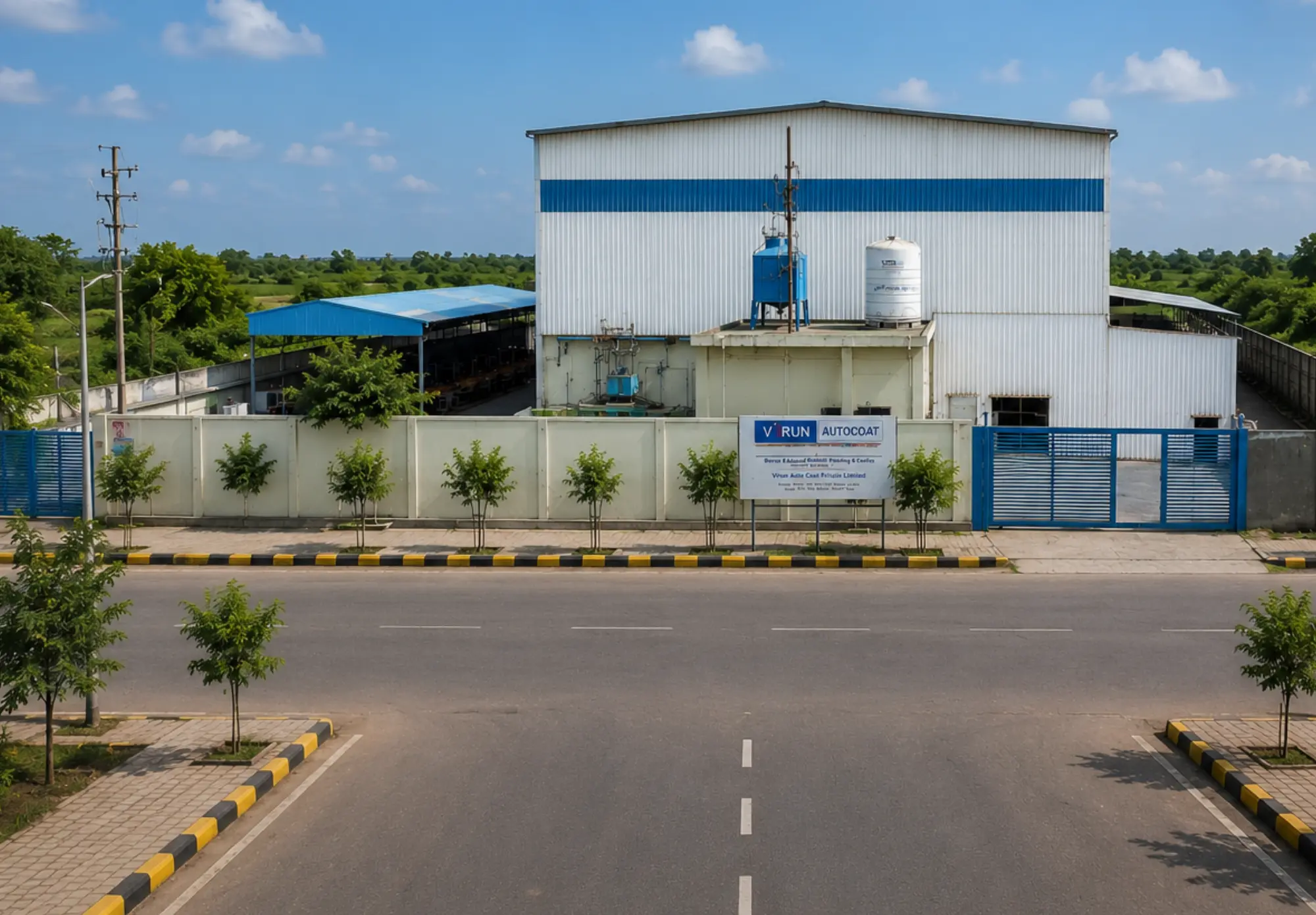
Varun Autocoat is an authorized channel partner and supplier of AkzoNobel powder coatings in Greater Noida, and an approved applicator in Sikandrabad, Uttar Pradesh. That means clients can depend on both material support and application support through one connected service setup.
The Greater Noida location supports wholesale and supply requirements, while the Sikandrabad location handles application work. This gives clients a smoother process and better coordination from product selection to final finish. For anodizing-related work, that kind of structure helps reduce confusion and improve project control.
The team helps choose the right finish based on product use. Whether architectural, decorative, or industrial, the right surface approach improves final performance and results.
For visible aluminium work, quality and consistency matter a great deal. That is why clients need a partner who understands both performance and presentation. A connected service model makes it easier to achieve both.