Industrial metal components need more than a good-looking finish. They may be exposed to moisture, handling, chemicals, heat, outdoor conditions, or regular use. A suitable coating helps protect the metal while also giving the finished component a clean and consistent appearance.
Industrial powder coating is one of the widely used finishing methods for metal parts and fabricated components. It is used across many manufacturing and engineering applications where a durable, uniform and practical finish is required.
But good powder coating is not simply about spraying powder onto a metal surface. The condition of the metal, surface preparation, powder selection, application and curing all have a role in the final result.
This guide explains the industrial powder coating process in simple terms, where it is commonly used, its benefits, and what businesses should consider when choosing a powder coating partner.
What Is Industrial Powder Coating?
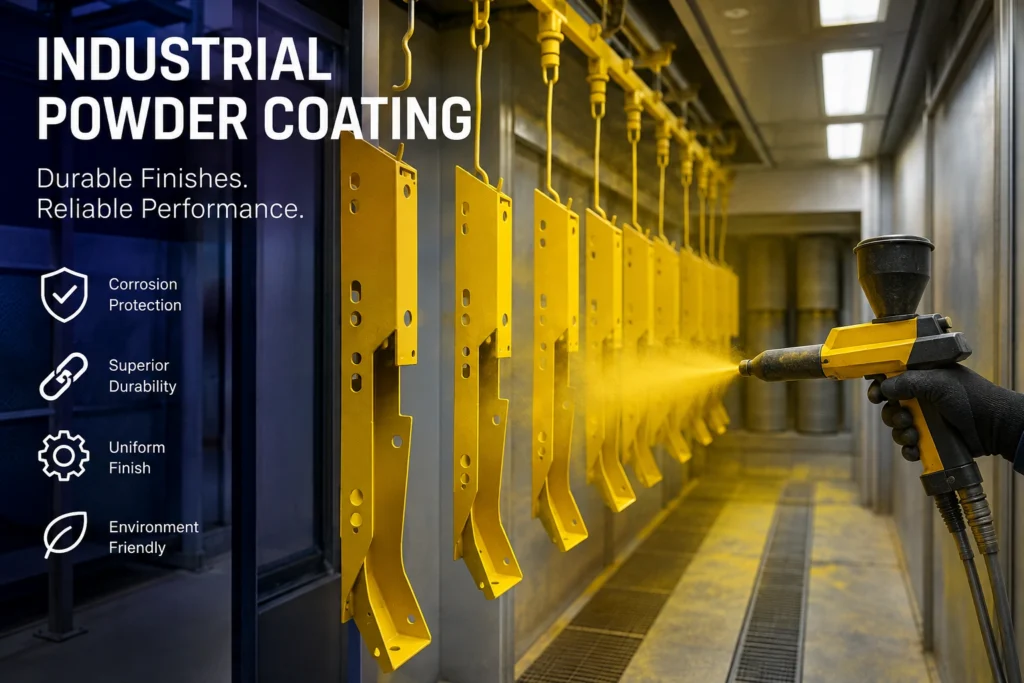
Industrial powder coating is a finishing process in which dry powder is applied to a prepared metal surface and then cured using controlled heat.
Unlike conventional liquid paint, powder coating does not use the same type of liquid solvent-based application. The powder is applied to the component, and during curing, it melts and forms a continuous coating over the surface.
Depending on the component and its intended use, different powder formulations, colours, textures and finishes can be selected.
The result can provide both surface protection and an attractive finish when the coating system and process are suitable for the application.
How Does the Industrial Powder Coating Process Work?
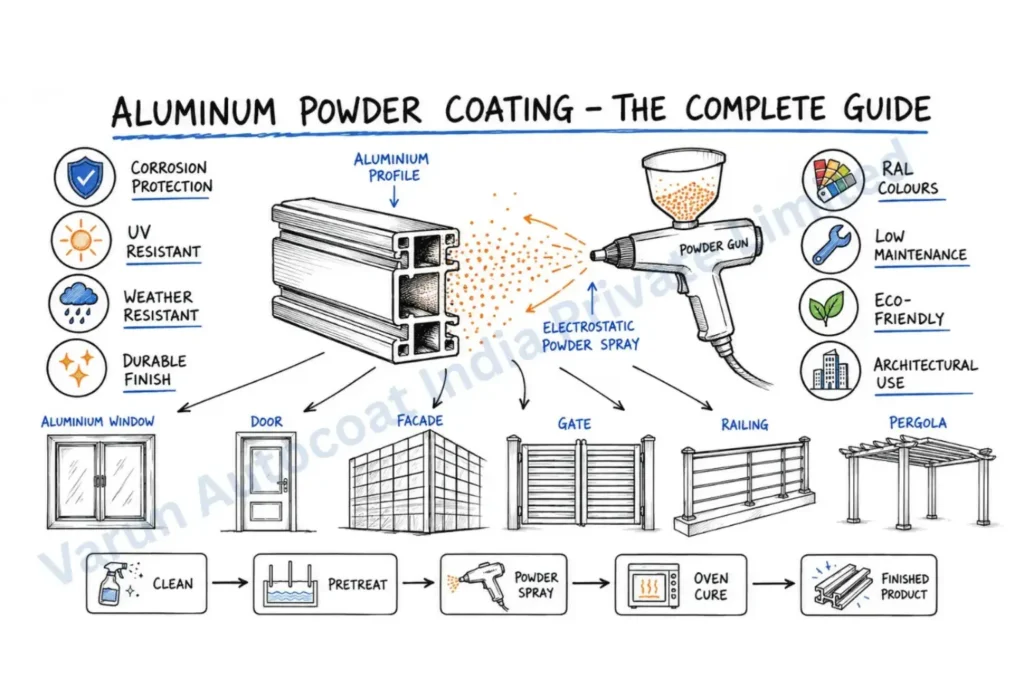
A reliable result depends on following the process properly. While the exact process can vary according to the material and application, the main stages generally include the following.
1. Inspection of the Component
Before coating, the component should be checked for issues such as oil, grease, rust, welding residue, sharp edges, surface contamination and other conditions that may affect the coating.
The type and condition of the metal also matter when deciding how the surface should be prepared.
This is one of the most important parts of powder coating.
The surface needs to be properly cleaned and prepared so that the powder can form a good bond with the metal.
Depending on the component, preparation may involve cleaning, degreasing, mechanical treatment or other suitable pretreatment methods.
Poor preparation can lead to problems such as poor adhesion, peeling, uneven appearance or early coating failure.
Once the surface is ready, the selected powder is applied using an electrostatic spraying process.
The powder particles receive an electrical charge while the metal component is grounded. This helps the powder particles attach to the surface.
Application needs to be controlled carefully, particularly around corners, edges, recesses and difficult-to-reach areas
After application, the coated component is placed in an oven where controlled heat allows the powder to melt and form the finished coating.
The required curing conditions depend on the powder manufacturer’s specifications and the component being coated.
Correct curing is important. Under-curing or over-curing can affect the appearance and performance of the coating.
After cooling, the finished component should be inspected.
Depending on the requirements, checks may include:
- Overall appearance
- Colour and finish
- Coating coverage
- Surface defects
- Adhesion
- Thickness, where required
- Areas around edges, corners and joints
The inspection requirements should match the intended use of the component.
Why Is Surface Preparation So Important?
One of the common mistakes people make is focusing only on the powder and colour.
In reality, the surface underneath the coating is just as important.
Imagine applying a new finish over a surface that still has oil, dust, rust or other contamination. Even if the coating initially looks good, its long-term performance can be affected.
Proper preparation helps create a suitable surface for the coating system.
This is why two components using the same powder can sometimes produce different results. The difference may come from preparation, application or curing rather than the powder itself.
Where Is Industrial Powder Coating Used?
Powder coating is suitable for a wide range of metal components. The exact suitability depends on the material, size, design, service conditions and required finish.
Common applications can include:
Electrical Panels and Enclosures
Metal electrical panels, cabinets and enclosures often require a neat and consistent finish along with protection of the metal surface.
Sheet Metal Components
Fabricated sheet-metal parts can be powder coated in different colours, textures and finishes depending on their application.
Engineering Components
Various manufactured and fabricated metal components can use powder coating where a durable decorative or protective finish is required.
Fabricated Metal Parts
Brackets, frames, supports, covers and other fabricated components may be powder coated when the process is suitable for their size and intended use.
Aluminium Components
Aluminium can also be powder coated when the appropriate preparation and coating system are used.
Industrial Equipment Components
Certain equipment components and metal assemblies may be suitable for powder coating. The coating requirement should be assessed according to the operating environment rather than assuming the same coating will work for every application.
What Are the Main Benefits of Powder Coating?
Powder coating is popular because it can offer a combination of appearance, durability and practical application benefits.
Durable Finish
A properly selected and correctly applied powder coating can provide good resistance to everyday wear and environmental exposure.
Consistent Appearance
Powder coating can produce a clean and uniform finish when the preparation, application and curing process are properly controlled.
Wide Choice of Colours and Finishes
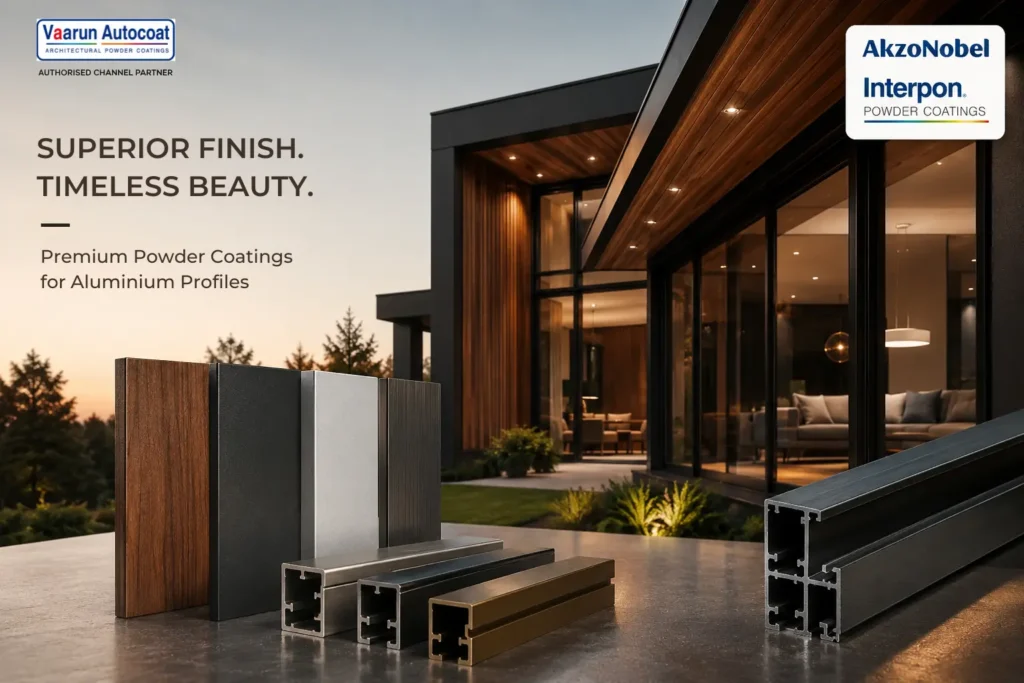
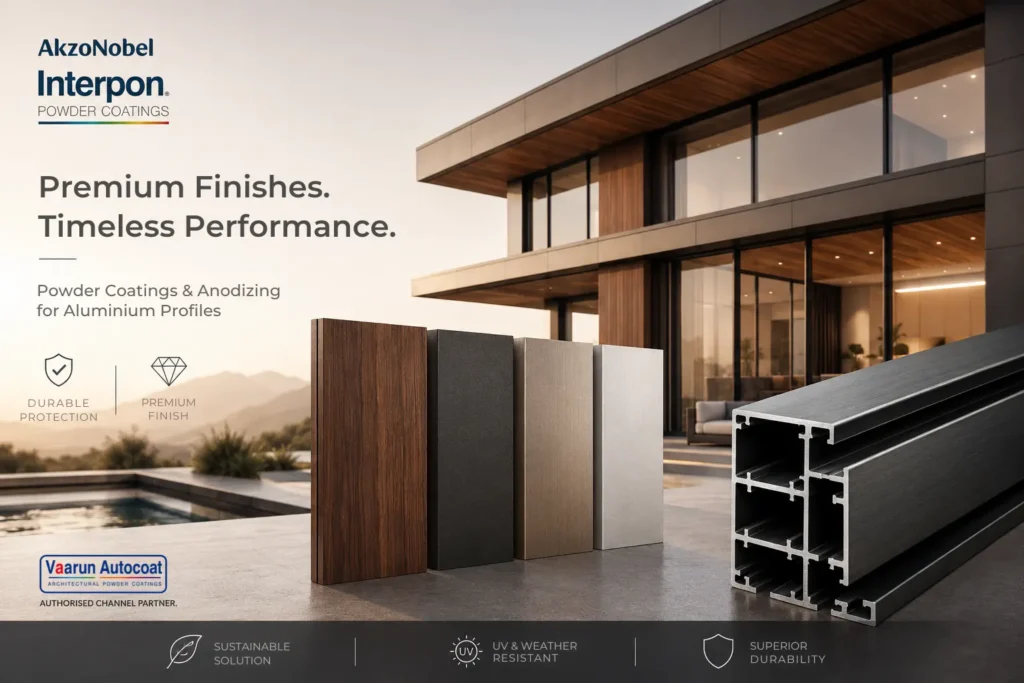
Depending on the powder system available, businesses can choose from different colours, gloss levels, textures and finishes.
Protection of the Metal Surface
A suitable coating can act as a protective layer between the metal and its surrounding environment.
Suitable for Different Industrial Requirements
Powder coating can be used for many types of fabricated and manufactured metal components. However, the right coating system should always be selected according to the actual service conditions.
Powder Coating vs Liquid Paint
Both powder coating and liquid paint have their place in industrial finishing. The better option depends on the component and its requirements.
Powder coating is often preferred when a durable factory-applied finish, consistent appearance and suitable protection of metal components are required.
Liquid paint may be more suitable in situations where a particular coating system, application method, repair process or project requirement calls for it.
There is no single coating method that is automatically best for every component.
The right decision depends on factors such as:
- Type of metal
- Component design
- Indoor or outdoor use
- Expected exposure
- Required appearance
- Performance requirements
- Production volume
- Size of the component
- Required coating system
What Can Cause Powder Coating Problems?
A coating defect does not always mean that the powder itself was faulty.
Several parts of the process can affect the final result.
Common causes can include:
Poor surface preparation: Contamination or inadequate preparation can affect adhesion.
Incorrect application: Uneven powder application can result in variations in coverage and appearance.
Incorrect curing: The curing cycle needs to match the powder manufacturer’s requirements.
Contaminated equipment or environment: Dust or other contamination can affect the finished surface.
Unsuitable coating selection: A coating intended for one environment may not be appropriate for another.
Component design: Sharp edges, deep corners, holes and inaccessible areas can make consistent coating more difficult.
Understanding the cause is important before deciding how to correct a coating problem.
How to Choose the Right Industrial Powder Coating Partner
Choosing a powder coating service is not only about comparing the price per piece or per kilogram.
Before sending an important batch of components for coating, it is worth discussing a few basic points with the coating provider.
Explain the End Use
Tell the coater where and how the component will be used.
For example, an indoor electrical enclosure and an outdoor metal component may require different considerations.
Discuss the Metal Type
Mild steel, aluminium and other substrates can require different preparation and coating approaches.
Confirm the Required Finish
Be clear about colour, gloss, texture and overall appearance.
A colour reference or approved sample can help avoid misunderstandings.
Discuss Component Size and Design
Large components, complex shapes, deep recesses and difficult areas may require additional consideration during the coating process.
Ask About Surface Preparation
Do not treat preparation as a minor step. Ask what preparation is appropriate for your components and coating requirements.
Share Quality Requirements Before Production
If your business has specific coating thickness, adhesion, appearance or inspection requirements, discuss them before the job starts.
This is much better than discovering a requirement after the components have already been coated.
Why Businesses Should Look Beyond the Lowest Price
Powder coating is often quoted as a straightforward finishing job, but the actual process involves several stages.
A very low price may look attractive initially, but the cost of poor coating can become much higher if parts need to be reworked, replaced or delayed.
For manufacturers, consistency is particularly important. A coating partner should understand the required finish and follow a repeatable process from batch to batch.
The goal should not simply be the cheapest coating.
The better question is:
Can the coating provider consistently deliver the finish and performance required for my components?
Industrial Powder Coating at Varun Autocoat
Varun Autocoat works with businesses that require powder coating for metal components and fabricated products.
Our approach is focused on understanding the component, its intended application and the finish required before the coating process begins.
For every project, requirements can differ. Material, component design, surface condition, colour, finish and end use can all influence the coating process.
If you are planning to powder coat a batch of industrial components, fabricated parts, sheet-metal products, panels or other suitable metal components, you can discuss your requirements with our team before sending the material.
This helps us understand what you need and determine the appropriate approach for the job.
Conclusion:
A good powder-coated finish starts well before the powder reaches the component.
Surface preparation, powder selection, application, curing and inspection all contribute to the final result. For manufacturers and fabricators, discussing the actual application and requirements with the coating provider can help avoid unnecessary problems later.
Looking for industrial powder coating for your components? Get in touch with Varun Autocoat and share your component details, quantity, material and required finish. Our team can discuss the requirements with you and help determine the appropriate coating approach.
FAQs.
While anodizing enhances aluminium’s natural oxide layer, powder coating offers greater flexibility in colour selection, surface textures, decorative finishes, and impact resistance. Powder coating is often the preferred choice for architectural projects requiring both durability and aesthetic appeal.